Tony Jordan Parking Reform Journey
Why Parking Matters to Everyone
Most of us don’t think much about parking. It’s just there — until it isn’t. But as Tony Jordan explains in this People and Projects episode of the Streets and People podcast, the way we plan and pay for parking quietly affects almost everything: housing prices, traffic, public transport, and even the feel of our neighbourhoods.
Tony is the co-founder of the Parking Reform Network in the United States. He’s spent years helping people understand that parking isn’t just about cars. It’s about how we use space, money, and community resources.
If you care about having fairer, more liveable towns and suburbs, this episode is worth a listen.
How Tony Found His Calling
Tony didn’t start out planning to change how cities think about parking. Back in 2010, he stumbled across a blog post about a book called The High Cost of Free Parking by Professor Donald Shoup. That post stopped him in his tracks.
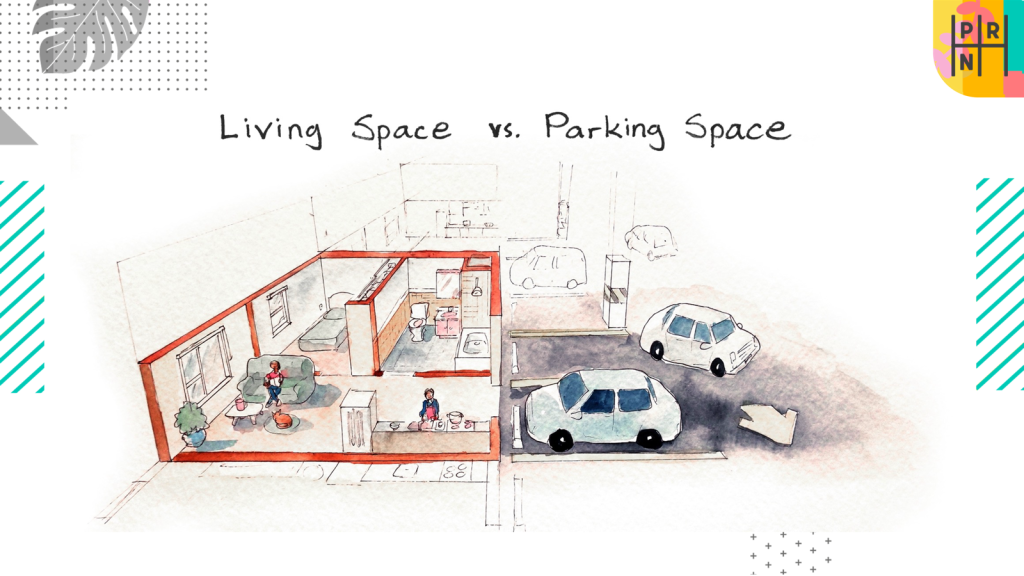
He realised that most cities were forcing developers to build more car parks than people actually needed — and that those extra spaces were quietly driving up the cost of homes, shops, and community spaces.
Curious, Tony began digging into local rules and discovered that his home city, Portland, Oregon, was already making changes. That inspired him to help others see what was possible. What began as curiosity turned into a grassroots movement for smarter, fairer parking rules.
The Hidden Cost of “Free” Parking
It’s easy to think parking is free, but it’s one of the most expensive things we build. Tony broke it down in simple numbers:
- A single carport can cost around $10,000
- A shopping centre car space can cost about $80,000
- One underground parking space for an apartment can reach $150,000
Those costs get built into the price of groceries, rent, and new homes. We all pay for parking, whether we drive or not.
When cities reduce unnecessary parking requirements, developers can use that money to make homes more affordable or add trees, paths, and bike parking instead. Everyone benefits.
Why Suburbs Are Part of the Solution
Tony and I also spoke about the challenges in suburbs. Many people live far from work or public transport, so driving feels like the only option. But that doesn’t have to be the case.
When councils start rethinking parking, it opens up space for other choices — safer walking paths, better bus stops, small shops closer to home. Reforming parking is one piece of the bigger picture that helps make life more convenient and affordable for everyone, not just drivers.
What You Can Do Locally
Tony’s message is simple: start asking questions.
Most parking rules are based on old habits, not on what communities really need today. Ask your council or local planner:
- Do we still need this much parking?
- Could some of that space be used for housing or trees?
- How much is this really costing ratepayers?
Small changes in parking policy can lead to big improvements in how neighbourhoods look, feel, and function. And the more people talk about it, the faster those changes happen.
Why This Conversation Matters
Tony Jordan’s journey is proof that real change often starts with one curious person asking a simple question. His work shows that parking reform isn’t about taking something away — it’s about giving communities more choice and creating places where people want to live, not just drive.
If you’ve ever looked around your neighbourhood and wondered why it’s so hard to walk to the shops, why buses don’t run often enough, or why new housing costs so much, this episode will help connect the dots.
🎧 Listen now to Tony Jordan and discover how something as everyday as a car park can shape the kind of community we all live in.
Links and Resources
- Read the article that first inspired Tony: The High Cost of Free Parking – Metafilter
- Visit the Parking Reform Network
- Explore Portlanders for Parking Reform
- Chapter: Parking and the City – Chapter 1 available on our website
- Children’s Book to buy: Spot’s Parking Lot
- Book to borrow: Anna Zivarts – When Driving’s Not an Option at Moreton Bay Libraries
- More episodes at GetAroundCaboolture.au
