
S3E6 PnP Bryan Tony Transforming Dallas Through Parking Reform
How Dallas Parking Reform Boosted Housing Affordability. A Blueprint for Your Community
Table of Contents
- Introduction
- The Problem Car Dependency and Housing Costs
- The Dallas Housing Coalitions Approach
- Parking Reform What Changed
- Lessons for Other Communities
- The Role of Public Transit and Walkability
- Success Stories and Challenges
- Actionable Steps for Your Community
- Conclusion
Introduction
In the heart of Texas, Dallas—a city synonymous with big cars, sprawling highways, and a deep-rooted car culture—has quietly become a pioneer in parking reform and housing affordability. By rethinking outdated zoning laws and parking minimums, Dallas is proving that cities can reduce car dependency, lower housing costs, and create more inclusive communities.
This transformation didn’t happen overnight. It took a coalition of unlikely allies—developers, faith-based groups, banks, and nonprofits—working together to challenge the status quo. Their story offers a blueprint for communities worldwide grappling with similar issues: rising housing costs, traffic congestion, and a lack of walkable, transit-friendly neighborhoods.
In this post, we’ll explore how Dallas’ parking reform is making housing more affordable, the strategies that made it possible, and how your community can follow suit.
The Problem: Car Dependency and Housing Costs
The Hidden Costs of Parking Minimums
For decades, cities across the U.S. and beyond have required developers to build a minimum number of parking spaces for every new home, apartment, or business. On the surface, this seems logical: if people drive, they need places to park. But these requirements come with hidden costs:
- Higher Housing Prices: Every parking space adds $50,000 or more to the cost of a development. Developers pass these costs onto renters and homebuyers, inflating housing prices by $100–$200 per month in rent or mortgage payments.
- Urban Sprawl: Parking lots take up valuable land that could be used for housing, parks, or businesses. This sprawl forces residents to drive even more, creating a vicious cycle of car dependency.
- Environmental Impact: More cars mean more emissions, more traffic, and less green space.
Dallas’ Car-Centric Legacy
Dallas is a prime example of a city built for cars. After tearing out its streetcar system in the mid-20th century, the city expanded its roads and parking infrastructure, prioritizing vehicles over people. The result? A metropolitan area where 85% of commuters drive alone, and housing costs continue to rise as the city sprawls outward.
But Dallas is changing. By reforming its parking policies, the city is taking a bold step toward affordable housing, walkability, and sustainability.
The Dallas Housing Coalition’s Approach
Building a Diverse Coalition
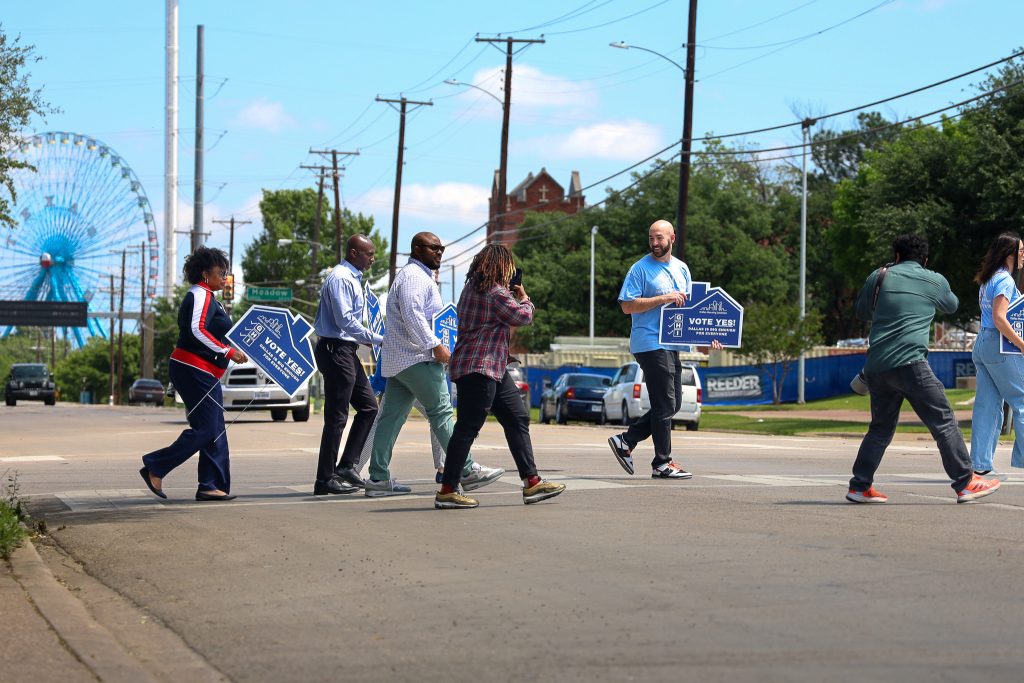
The Dallas Housing Coalition didn’t start as a powerful lobbying group. It began in 2022 with just 65 members—a mix of non-profits, developers, and community organizers. By 2026, it had grown to over 450 members, including:
- Developers and Real Estate Groups: Initially skeptical, many came to see parking reform as a way to reduce costs and build more housing.
- Faith-Based Organizations: Churches and community groups advocated for affordable housing as a moral issue.
- Banks and Financial Institutions: Banks supported the reform because it reduced barriers for small businesses and helped residents save money.
- Nonprofits and Advocacy Groups: Organizations focused on housing, transportation, and environmental justice joined forces to push for change.
The Power of Shared Goals
The coalition’s strength lay in its shared North Star: making Dallas a more affordable, equitable, and sustainable city. By focusing on common goals—like reducing housing costs and improving transit access—they overcame divisions and built momentum for reform.
Parking Reform: What Changed?
Eliminating Parking Minimums Near Transit
One of the most significant changes was removing parking minimums within a half-mile of light rail stations. This policy, known as Transit-Oriented Development (TOD), encourages denser, walkable neighbourhoods where residents can live without a car.
- Why It Works: People who live near transit are less likely to own cars, reducing the need for parking.
- Developer Flexibility: Without mandatory parking, developers can build more housing or amenities like parks and retail.
- Cost Savings: Residents save on car ownership, gas, and maintenance, freeing up income for housing and other needs.
Addressing Spillover Parking Concerns
Critics worried that removing parking minimums would lead to street parking chaos. But Dallas’ approach was pragmatic:
- Market-Driven Solutions: Developers still build parking if their customers demand it—they just aren’t forced to overbuild.
- Better Enforcement: The city improved parking management with tools like QR codes for meters and reinvested revenue into sidewalks and bike lanes.
Lessons for Other Communities
1. Start with Education
Many people don’t realize how parking policies affect housing costs. Host workshops, webinars, and public forums to explain the issue. Share data on how parking minimums increase rents and reduce housing supply.
2. Build a Broad Coalition
Dallas’ success came from uniting diverse stakeholders. Reach out to:
- Developers (highlight cost savings).
- Faith groups (frame housing as a moral issue).
- Banks (emphasize economic benefits).
- Transit advocates (connect parking reform to better public transit).
3. Focus on Transit-Oriented Development
Prioritize walkable, transit-rich areas for parking reform. This reduces opposition by ensuring that alternatives to driving exist.
4. Pilot Small Changes
Start with pilot programs in specific neighbourhoods. Dallas began with light rail stations before expanding. Small wins build momentum for larger reforms.
The Role of Public Transit and Walkability
Why Transit Matters
Parking reform alone won’t solve car dependency. Cities must also invest in public transit to give residents real alternatives. Dallas’ light rail system is the longest in the U.S., but even it needs better bus connections and pedestrian infrastructure.
Improving Bus Routes
In many suburbs, bus routes are inefficient because neighborhoods are designed for cars. To fix this:
- Add dedicated bus lanes for faster service.
- Redesign streets to prioritize pedestrians and cyclists.
- Increase frequency so buses are a reliable option.
Walkability as a Priority
Walkable neighborhoods reduce the need for parking. Dallas is now focusing on:
- Sidewalk improvements near transit stops.
- Bike lanes to connect residential areas to shops and jobs.
- Mixed-use zoning so residents can live, work, and shop in the same area.
Success Stories and Challenges
Early Wins
Since Dallas’ parking reform passed in May 2025, early results are promising:
- More housing: Developers are building smaller, affordable units without excess parking.
- Lower costs: Some projects report 10–15% savings by reducing parking.
- Increased transit use: Ridership near reformed areas is up by 8%.
Ongoing Challenges
- Resistance from Car-Dependent Residents: Some fear change and worry about parking shortages.
- Spillover Parking: A few areas still struggle with street parking, but better enforcement is helping.
- Need for More Transit: Without better bus and rail options, some residents still rely on cars.
Actionable Steps for Your Community
1. Research Your Local Policies
- Review zoning codes: Are parking minimums required? How do they affect housing costs?
- Talk to developers: Ask how parking requirements impact their projects.
2. Organize a Coalition
- Identify allies: Who in your community cares about housing affordability, transit, or sustainability?
- Host a meeting: Bring stakeholders together to discuss parking reform.
3. Advocate for Change
- Attend city council meetings: Voice support for parking reform.
- Write op-eds: Share success stories from Dallas and other cities.
- Push for pilots: Propose small-scale reforms in transit-rich areas.
4. Engage the Public
- Use social media: Share infographics on how parking reform lowers housing costs.
- Collect stories: Highlight residents who struggle with high rents and car dependency.
Conclusion
Dallas’ parking reform is a model for cities worldwide. By reducing parking minimums, the city is lowering housing costs, encouraging transit use, and creating more walkable neighborhoods. The key to success? Building a diverse coalition, educating the public, and starting small.
If your community is struggling with high housing costs and car dependency, parking reform could be the solution. Start the conversation today—your city’s future depends on it.
You can connect with Bryan and the Dallas Housing Coalition here:
https://www.dallashousingcoalition.com/faqs-parking
https://www.linkedin.com/company/dallashousingcoalition
https://www.facebook.com/dallashousingcoalition
https://www.instagram.com/dallashousingcoalition
https://twitter.com/dallashousingco?ref_src=twsrc%5Etfw
Here’s where you can find out more about parking reform:
- Monte Anderson on parking lot housing https://getaroundcaboolture.au/monte-anderson-housing-on-underused-parking/
- Patrick Siegman on the impact of unpriced parking https://getaroundcaboolture.au/patrick-siegman-parking-policy-housing/
- Todd Litman on the mobility-productivity paradox (on the economics of why more lanes reduce productivity)
- Tony Jordan on the Parking Reform Network journey https://getaroundcaboolture.au/tony-jordan-parking-reform-journey/
- Steven Burgess on parking reform in Caboolture https://getaroundcaboolture.au/steven-burgess-rethinking-parking/
- Michael Garber on the public health consequences of parking https://getaroundcaboolture.au/s2e16-pnp-michael-garber/
- The road rules for parking tiny homes in Qldhttps://getaroundcaboolture.au/s1e46-rr360-parking-for-trailers-caravans-tiny-homes-across-footpaths-and-on-the-kerb/
- Dorina Pojani about Robin Hood parking https://getaroundcaboolture.au/s1e25-pp-dorina-pojani-discusses-parking-a-la-robin-hood-density-carfree-living-albania-holland-and-more/
Podcast theme music: Doctor Yes | Yari | Bensound
